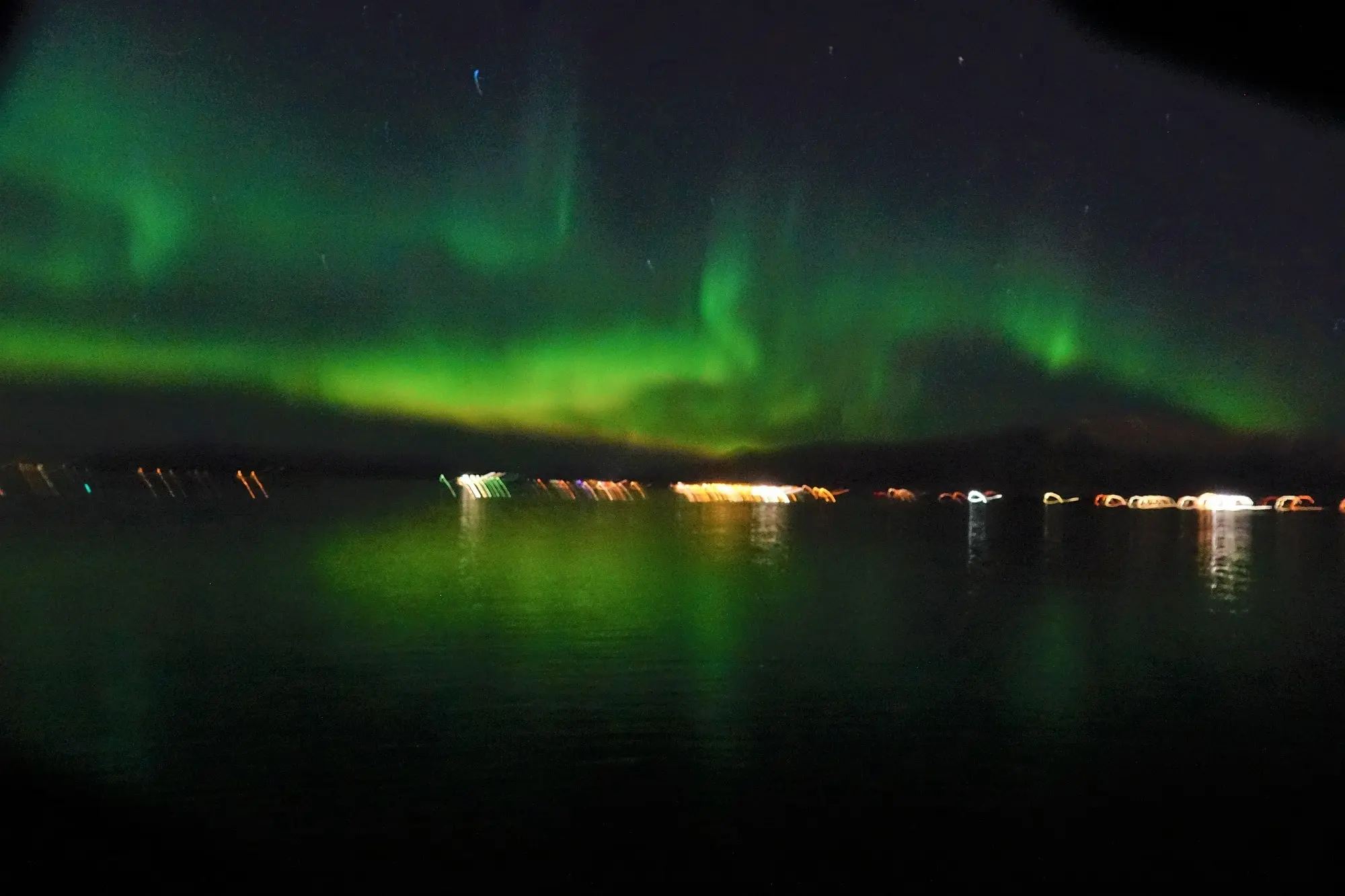
The Aurora Borealis brings people to Iceland from all over the world, learn more about the stories and science behind it here.
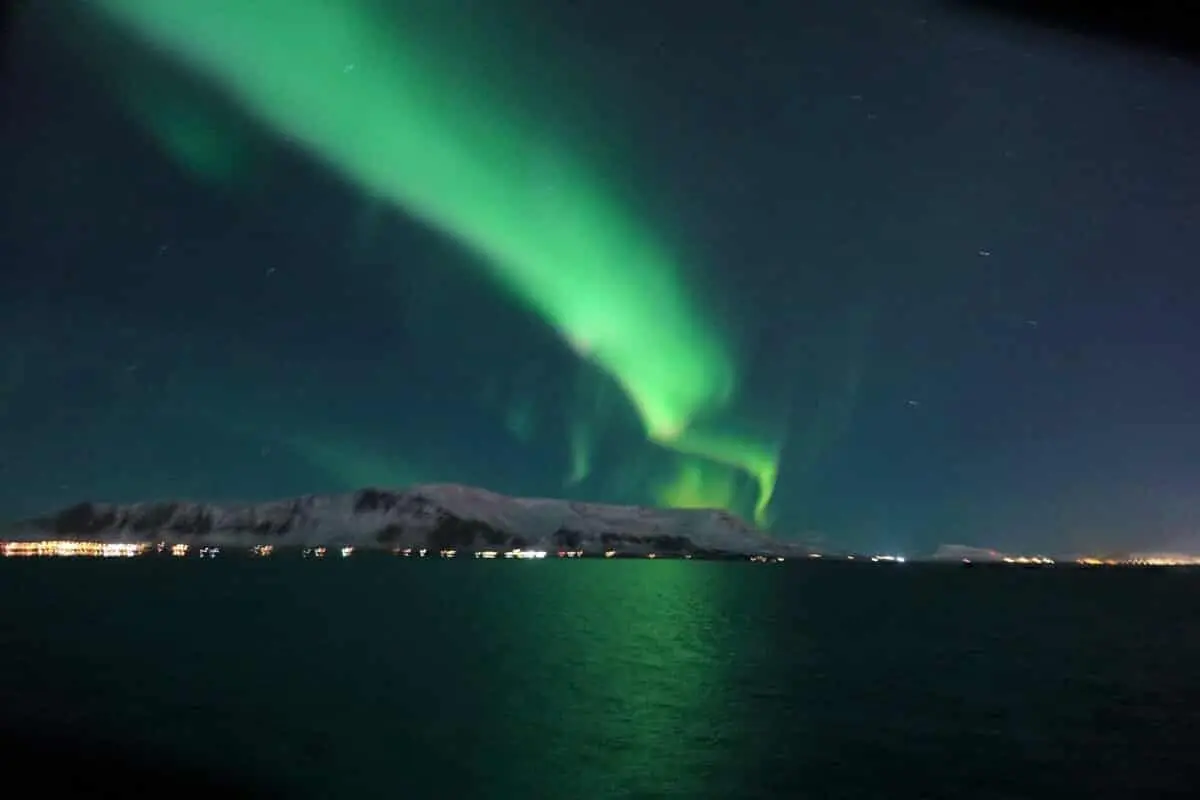
The Northern Lights, or the aurora borealis, has amazed humanity for tens of thousands of years. Different cultures around the world came up with stories to explain this incredible natural phenomenon, for example in China the lights were thought to be a battle between good and bad dragons, or in Finland a fire fox ran across the sky so fast his tale sent sparks into the night.
In Norse mythology one legend suggests the lights are the reflection from the shields of the Valkyrie, fierce female warriors. The aurora was also thought to be the bifrost bridge, a glowing arc taking fallen warriors to Valhalla.
Now we understand a lot more about the science behind them but it doesn’t distract from our wonder, even in modern times we continue to make stories up about them, for instance in the best selling book ‘Northern Lights’ by Philip Pullman, where another world is visible through them. What story would you make up about them?
This live feed is from Live Aurora Network. On the website you can find live aurora cameras from all over the world and a whole load of information on them.
Other great websites for aurora information and forecasts are:
We spent a lot of time increasing our knowledge of the lights, and of astronomy too, but we feel the best, simplest description comes from our science heroes at NASA. They say:
“The dancing lights of the auroras provide spectacular views on the ground, but also capture the imagination of scientists who study incoming energy and particles from the sun. Auroras are one effect of such energetic particles, which can speed out from the sun both in a steady stream called the solar wind and due to giant eruptions known as coronal mass ejections or CMEs. After a trip toward Earth that can last two to three days, the solar particles and magnetic fields cause the release of particles already trapped near Earth, which in turn trigger reactions in the upper atmosphere in which oxygen and nitrogen molecules release photons of light. The result: the Northern and Southern lights.”
“NASA’s suite of heliophysics spacecraft track how events on the sun affect near-Earth space, including several missions dedicated to aurora studies. Auroras are but one symptom of a larger space weather system in which solar material and radiation can affect Earth’s own magnetic environment and block radio communications, disturb onboard satellite computers, or — at their worst — cause electrical surges in power grids.”
The exact colours you see depend on which gas is excited and at what altitude — oxygen typically produces the vivid greens and rare deep reds, while nitrogen creates the blues and purples. For a deeper dive into the science behind aurora colours, ThoughtCo has an excellent breakdown by Anne Marie Helmenstine, Ph.D.
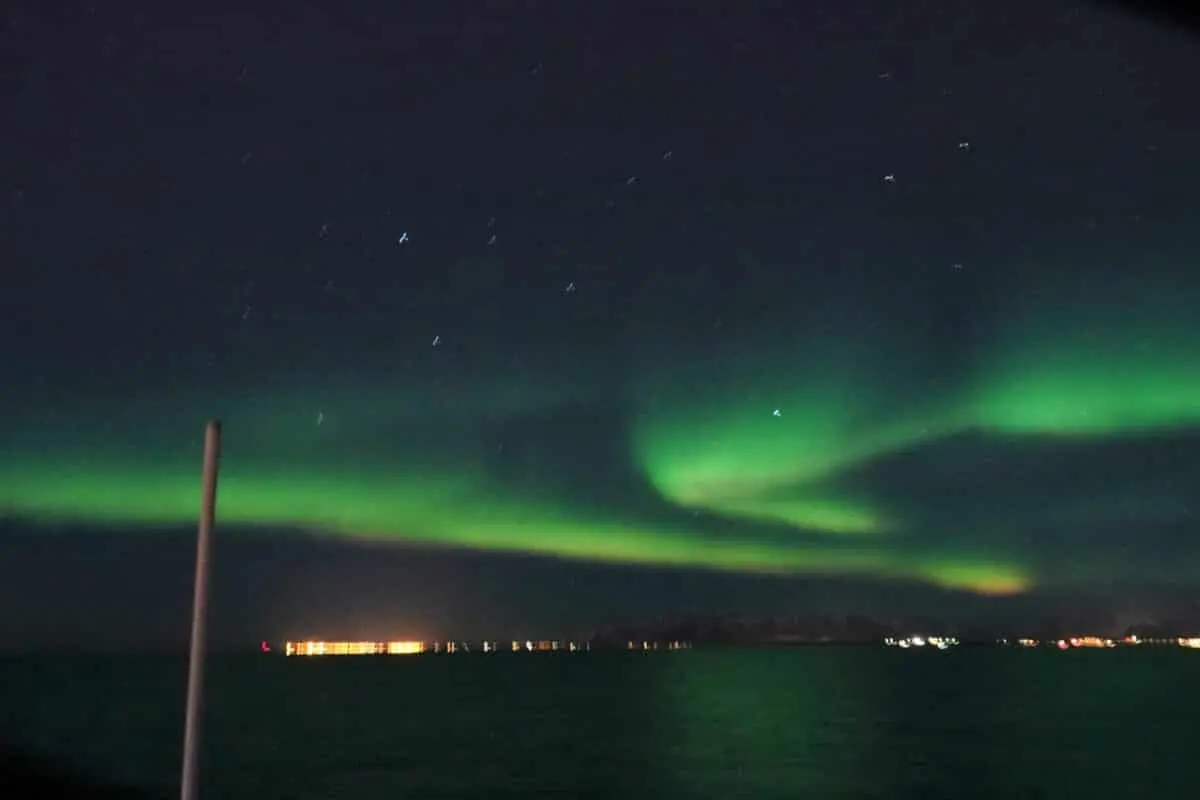
As you can see there is a wealth of knowledge available online for further study. If you find any awesome sites please let us know! We always want to keep learning and helping others learn too.

Expert guide and marine enthusiast at Sea Trips Reykjavík.